
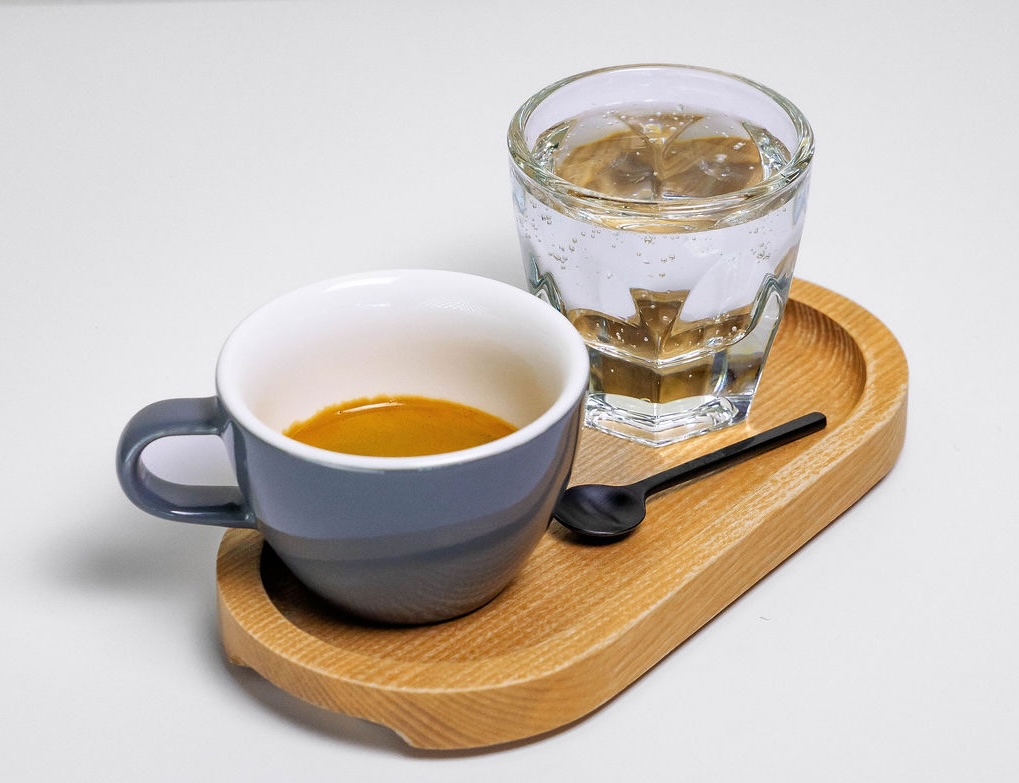
In 2025, for the first time in history, more Americans will drink specialty coffee on a daily basis than traditional coffee.
46% of American adults had a specialty coffee yesterday. 42% had a traditional one. The gap is small, but the direction is not — and the trajectory of the past 14 years makes clear that this isn’t a moment. It’s a shift.
Since 2011, daily specialty coffee consumption in the United States has grown 84%. That’s not a niche moving mainstream. That’s a complete reordering of what Americans expect from their cup of coffee.
Here’s what that means — for the industry, for cafés, and for the guests who walk through our door every morning.
What changed
For most of the 20th century, coffee in America meant one thing: a hot, dark, bitter cup, brewed at home or at a diner, consumed for function rather than pleasure. The goal was caffeine delivery. The experience was secondary.
The shift started with the third wave of coffee — a movement that began in the early 2000s around the idea that coffee deserved to be treated like wine or craft beer. That origin mattered. That roast profile mattered. That the difference between a coffee grown in Ethiopia and one grown in Colombia wasn’t just marketing — it was genuinely in the cup.
What was once the concern of a small community of enthusiasts has now entered the mainstream. The guest who walks into Three Sixteen and orders a cortado without explanation, who asks about the origin of the espresso, who notices when the texture of the milk is different than last week — that guest exists in much larger numbers than they did a decade ago. The market has moved.
The numbers behind the shift
The 2025 National Coffee Data Trends report from the National Coffee Association puts specific shape to what most of us in the industry have been feeling for years.
55% of Americans drank specialty coffee in the past week — a 6% increase since 2020 alone. 64% of adults aged 25 to 39 drank specialty coffee in the past week, making them the most active specialty segment by age. Among 18 to 24 year-olds, specialty coffee (46%) now outpaces traditional coffee (36%) — meaning the youngest adults in the market came of age already preferring specialty.
For the first time, specialty coffee has overtaken traditional coffee in past-day consumption. This isn’t a trend. It’s the new baseline.
The format breakdown is equally telling. 43% of American adults had an espresso-based drink in the past week. Cold brew penetration is at 27% past-week nationally. Medium roast — traditionally associated with specialty rather than commercial blends — is now preferred by 62% of past-day specialty drinkers, up 35% since 2020.
And the health dimension has entered the conversation in a new way. 61% of specialty coffee drinkers say they believe coffee is good for their health — a belief reinforced in 2025 when the FDA officially qualified plain coffee for a “healthy” label for the first time.
What this means for Starbucks — and why it matters
For most of the past two decades, Starbucks defined what “specialty coffee” meant in the popular imagination. The frappuccino, the pumpkin spice latte, the customizable syrup-heavy drink — this was the mainstream entry point into premium coffee culture.
That era is ending. Starbucks closed around 500 North American locations in 2025. Traffic has been declining for multiple consecutive quarters. The chain that taught a generation to expect more than diner drip is now struggling against the very culture of quality it helped create.
The guests who learned to expect good coffee from Starbucks have graduated. They want to know where the beans came from. They want their milk steamed properly, not just heated. They want a flat white that actually tastes like espresso, not a sweetened dairy product with a shot in it. And they know the difference now, because the market has educated them.
This is the gap that independent specialty cafés were built to fill — and the data confirms that the audience for it has never been larger.
The implications for independent cafés
The growth of specialty coffee is good news for cafés like Three Sixteen — but it comes with a corresponding rise in expectation. A guest who knows what specialty coffee is also knows when they’re not getting it.
In a market where 46% of adults are drinking specialty coffee daily, the bar for what counts as “good enough” has moved. A café that was exceptional five years ago by simply using quality beans and pulling decent shots is now competing against a much larger field. The guest has more options, more knowledge, and less tolerance for mediocrity.
This is something we think about constantly. The specialty coffee market is growing, but it’s also maturing. The operators who win in a mature specialty market are not the ones who were early — they’re the ones who are genuinely best. Origin knowledge, extraction precision, in-house food that matches the coffee’s standard, a space and team that make the experience worth repeating — these are no longer differentiators. They’re the entry fee.
Where it goes from here
The specialty coffee market is projected to grow at 9.5% annually through 2030, reaching $81.8 billion globally. That growth is being driven by two forces that reinforce each other: younger consumers who entered the market already preferring specialty, and a broader cultural shift toward quality, provenance, and intentionality in food and drink.
Gen Z is starting to drink coffee at 15 — three to five years earlier than millennials did — and they’re starting with specialty. By the time they’re 25, the drip coffee maker is not their reference point. The cortado is. The pour-over is. The café that knows its sourcing and can talk about it is.
The shift that began as a niche movement in the early 2000s has become the default expectation of an entire generation of coffee drinkers. For the independent specialty café that does the work seriously, this is the best possible moment to be building something.

.png)