
Every generation reshapes the coffee industry in its own image. Baby Boomers built the culture of the morning cup as ritual and necessity. Millennials drove the third wave — specialty roasters, single-origin, the flat white, the idea that coffee deserved the same seriousness as wine. Now Gen Z is entering the market, and the shift they’re driving is more complicated — and more interesting — than most people in the industry expected.
Here’s the surprising part: Gen Z drinks less coffee than any other generation. Only 42% drink it daily, compared to 66% of Millennials and 83% of Baby Boomers. Nearly two-thirds of Gen Z don’t drink coffee at all. By the raw numbers, this generation looks like a threat to the industry.
But the ones who do drink it are reshaping everything about what coffee means, how it’s consumed, and what they expect from the places that serve it. Understanding that split — fewer drinkers, but fundamentally different ones — is one of the most important things a café can do right now.
They started earlier and differently
Gen Z begins drinking coffee around age 15, three to five years earlier than Millennials did. But the entry point is completely different. Where Millennials discovered coffee through the drip machine at home or the diner down the street, Gen Z’s first coffee experience was often already specialty — an iced latte from Starbucks, a cold brew from a convenience store, something scrolled past on TikTok and recreated at home.
This matters because it means Gen Z has no nostalgia for bad coffee. There is no reference point of “regular” coffee that they’re moving away from. They entered the market already expecting quality, customization, and a drink that looked as good as it tasted. The baseline for them is not the drip pot. It’s a craft latte.
Cold is not a season. It’s a preference.
The single most visible generational divide in coffee right now is temperature. While 89% of adults over 60 prefer hot coffee, only 43% of Gen Z agree. Forty percent of their coffee consumption is cold or iced. Seventeen percent is frozen or blended.
For Gen Z, iced coffee isn’t a summer option. It’s the default format, year-round, regardless of weather.
This isn’t just a preference for cold drinks. It reflects a fundamentally different relationship with coffee as a category. Hot coffee is a morning ritual, a warmth, a slow start. Cold coffee is a beverage — something consumed throughout the day, interchangeable with energy drinks, matcha, and soda in the mental category of “caffeinated drink.”
The implication for cafés is significant. A menu built primarily around espresso-based hot drinks — which is still the default at most specialty cafés — is speaking fluently to Millennials and underserving a generation that is now in its mid-20s and entering its peak spending years.
Customization isn’t a preference. It’s an expectation.
45% of Gen Z coffee drinkers place high value on the ability to customize their drink. This isn’t the Starbucks-era customization of adding a pump of vanilla syrup. It’s deeper: oat milk instead of dairy, half-caf instead of full, adaptogens added, sugar-free, specific roast level, specific origin.
Gen Z approaches coffee the way they approach most consumption: as an expression of identity and values. The drink they order says something about who they are — their health priorities, their ethics, their aesthetic. A café that offers limited customization isn’t just inconvenient to this guest. It’s irrelevant.
73% of Gen Z coffee drinkers in the U.S. have ordered coffee through a mobile app in the past three months. The expectation of digital integration — ordering, loyalty, personalization stored and remembered — is higher than any previous generation and only rising.
Functional coffee: health meets habit
38% of Gen Z want their coffee to provide cognitive or mood-boosting benefits. 35% want stress relief. 20% want immune support. These numbers are not abstract — they’re driving real product decisions across the industry.
Mushroom coffee, lion’s mane lattes, ashwagandha-infused cold brew, collagen-added drinks — these were fringe products three years ago. They’re now mainstream enough that major roasters and café chains are building them into permanent menus. The functional coffee market is projected to reach $3.6 billion globally by 2032.
The driver isn’t just wellness trends. It’s a deeper ambivalence about caffeine itself. Gen Z is the most health-aware generation in history, and they’re genuinely conflicted about consuming a psychoactive substance at high volume. Functional additions allow them to feel like they’re optimizing rather than just stimulating — and that framing matters to how they experience the drink.
Transparency and ethics are non-negotiable
Only a third of Gen Z coffee consumers stick to the same brands — a stark contrast to older generations. Brand loyalty for this cohort is conditional: it holds as long as the brand continues to earn it through consistent values, transparency, and visible ethics.
Gen Z coffee drinkers want to know where their beans came from, who grew them, and what conditions those farmers work in. They want sustainable packaging, ethical labor practices, and a brand that can talk about its supply chain without becoming evasive. This isn’t a marketing checkbox for them. It’s a purchase filter.
Coffee social media conversations among Gen Z grew 150% year-over-year. They are talking about coffee constantly — about origins, about barista technique, about the cafés they visited and why they’ll go back. The brands that show up honestly in those conversations build the kind of loyalty that survives price increases. The ones that don’t get quietly filtered out.
What this means for cafés like Three Sixteen
Gen Z is not a threat to specialty coffee. They are its next chapter — but a chapter with different rules than the one Millennials wrote.
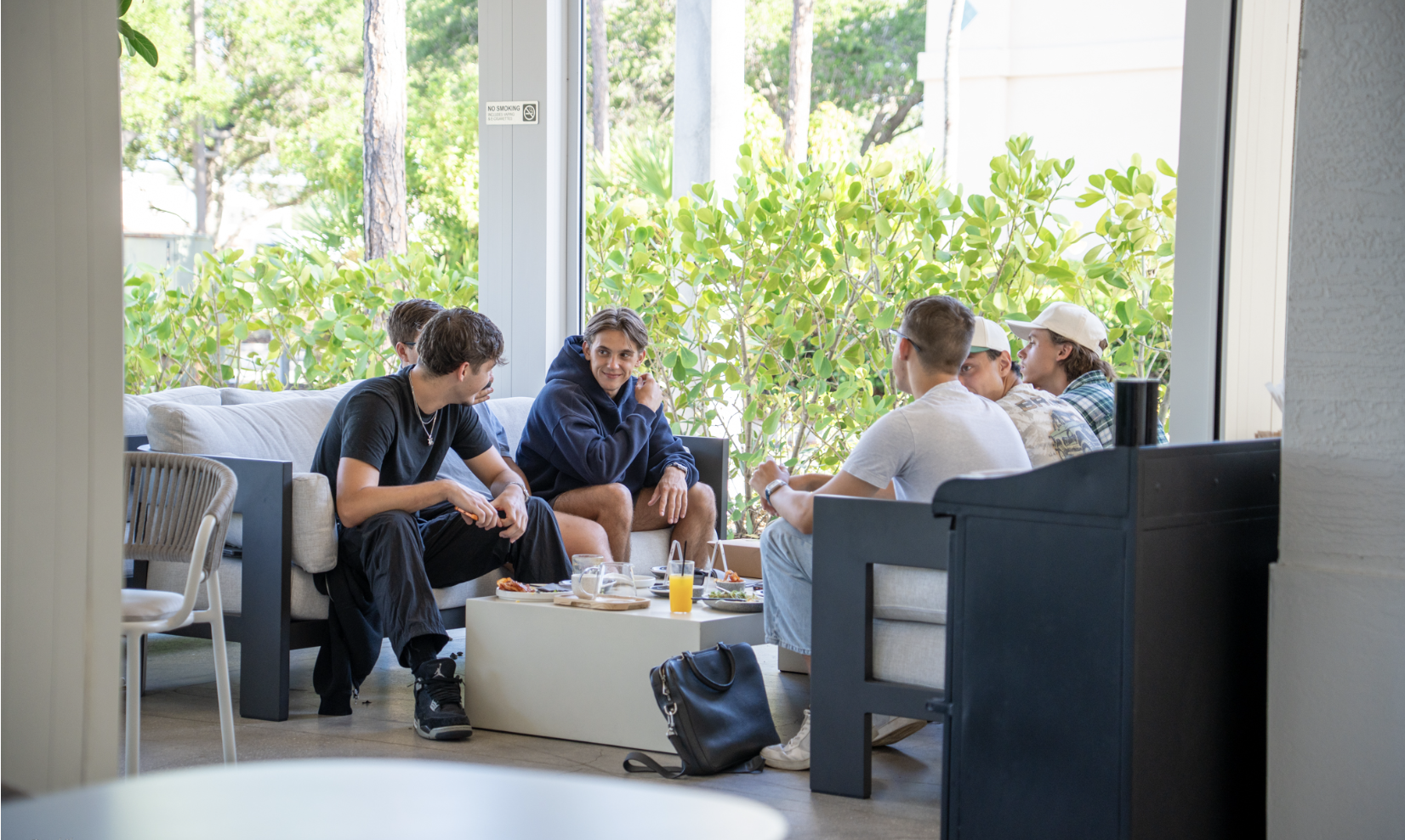
The guest walking through our door at 22 years old grew up with specialty as the baseline. They’re not impressed by the fact that we use quality beans — they assumed we did. What they’re evaluating is everything else: how the space feels, whether the team is genuine, whether the brand has a story they can connect with and share, whether the cold menu is as considered as the hot one.
We think about this generation constantly. Not because we’re trying to chase a demographic, but because the values they’re bringing to coffee — quality, transparency, intentionality, authenticity — are the same values we built Three Sixteen around. The question is whether we’re expressing them in a language this generation actually speaks.
The cafés that answer that question well are going to have the most loyal, most vocal, and most valuable customer base of the next decade. Gen Z doesn’t just buy coffee. When they find a place they believe in, they tell everyone.

.png)