
Community is one of those words that gets used a lot in hospitality and means very little in most places that use it. It appears on websites, in brand decks, in opening announcements. And then you walk in and it’s just a coffee shop.
Real community — the kind where people feel genuinely connected to a place, where regulars know each other’s names, where someone notices when you haven’t been in — that’s something different. It doesn’t come from a marketing strategy. It comes from how you run the place, every single day.
Here’s what we’ve learned building it at Three Sixteen.
1. Loyalty starts before the first visit
The moment someone hears about your café — from a friend, from Instagram, from a Google search — an expectation is already forming. Community starts at that moment, not when they walk through the door.
This means the way you show up online matters. Not in a performative, post-every-day way. But in the sense that what people see before they arrive should feel consistent with what they find when they get there. If your Instagram communicates warmth, craft, and intention, the café needs to deliver exactly that.
The first visit is a test of the promise. If it holds, they come back. If it doesn’t, the gap between expectation and reality is something you rarely get a chance to close.
2. Recognition is the foundation of belonging
The single most powerful thing a café can do to build loyalty is also the simplest: remember people.
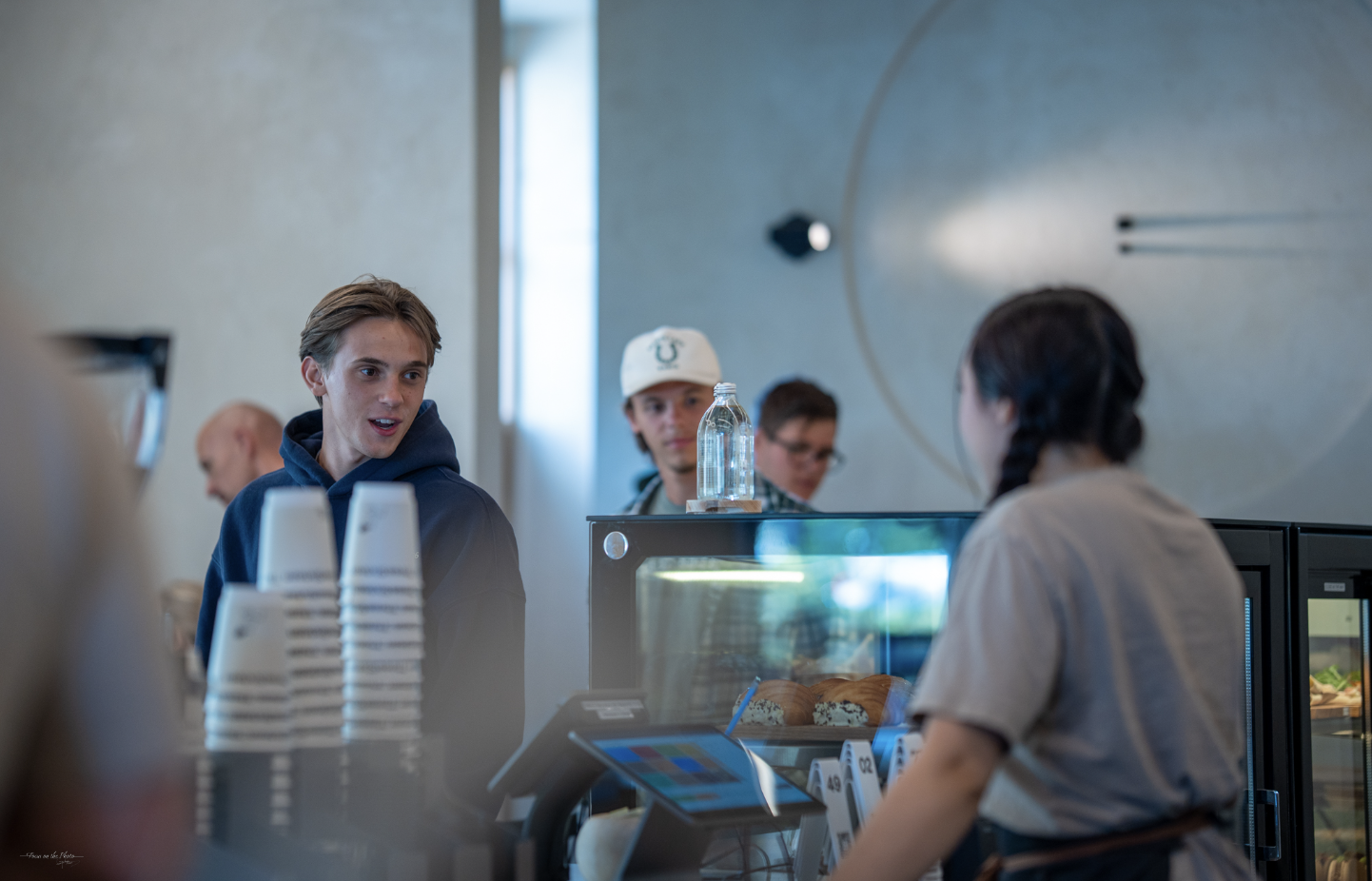
Not just their order, though that matters. Their name. The fact that they mentioned last week they were traveling. That they always come in on Thursdays with the same book. These are small things, and they cost nothing. But they transform a transaction into a relationship.
We train our team to pay attention. Not in a scripted, hospitality-manual way — but genuinely. To actually be curious about the people who come in. That curiosity is what makes guests feel seen, and feeling seen is what makes them come back.
A guest who feels recognized at your café will choose it over a more convenient option almost every time. Convenience is easy to replicate. Recognition isn’t.
3. Consistency builds trust. Trust builds community.
You cannot build a community around a café that is unpredictable. If the coffee is great on Tuesday and mediocre on Friday, if the staff is warm one week and distracted the next, if the hours change without notice — people stop counting on you. And people who don’t count on you don’t become regulars.
Consistency is not about being boring. It’s about being reliable. Your guests should be able to build a ritual around your café — a specific time, a specific order, a specific feeling — and trust that it will be there when they show up.
We’re still working on this. Consistency at the level we want takes longer than most people expect. But every time we get it right — every time a regular comes in and gets exactly what they came for — that’s a deposit into something that compounds over time.
4. The community forms between guests, not just between guests and you
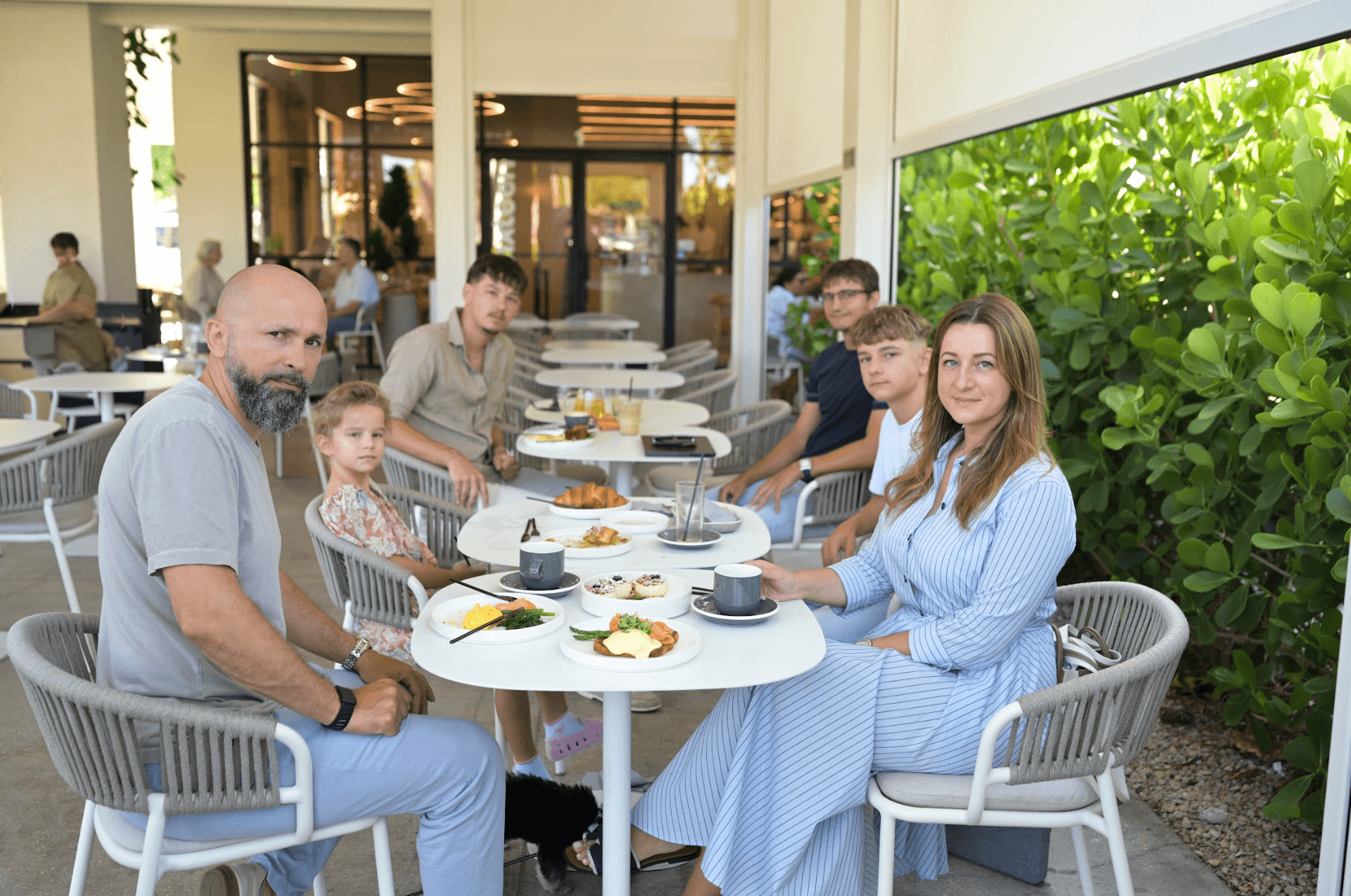
The most alive third places are ones where guests start to notice each other. Where the person who always sits by the window and the person who always orders the same thing end up talking one morning. Where regulars become part of the texture of the place.
You can’t engineer this directly. But you can create the conditions for it. A layout that doesn’t isolate people. A pace that isn’t rushed. Staff who occasionally facilitate a connection with something as simple as “You two should talk — you’re both always here with a book.”
When guests start bringing their friends, their partners, their colleagues — when your café becomes the place they take people when they want to show them something good — that’s when you know a community is forming. It’s no longer just about the coffee. It’s about the place.
5. Be honest about what you are and what you’re not
Communities form around identity. People become regulars at places that reflect something they believe in — about quality, about how time should be spent, about what matters.
This means the cafés with the strongest communities are the ones with the clearest point of view. They know what they’re building and they’re not trying to be everything to everyone.
Three Sixteen is a specialty café with an in-house bakery, built around the idea that a morning can be worth showing up for. We’re not trying to be the fastest option or the cheapest option. We close at 3:16pm intentionally. We’re not open on Sundays. Those aren’t limitations — they’re part of who we are. And the guests who connect with that become more than customers. They become advocates.
The guests who don’t connect with it — that’s fine too. A community is not everyone. It’s the right people.
6. Show up for the long run
Community is not built in a launch month. It’s not built through an opening event or a giveaway or a viral moment. It’s built through years of showing up, being consistent, caring about the details when no one is grading you on them.
Some of our most loyal regulars found us in our first week — when things weren’t perfect, when we were still figuring things out. They came back anyway. And the reason they came back is that they could see we cared. Not just about the product, but about the place and the people in it.
That care is visible. Guests can feel the difference between a café that’s going through the motions and one that actually means it. They may not be able to articulate what they’re sensing. But they feel it every time they walk in.
Build for the long run. The community follows.