
My family and I moved to Naples in 2021. I had never been here before COVID. Like a lot of people who arrived in those years, I found out about Naples the way many did — through the pandemic-era migration that turned a quietly wealthy retirement city into something the rest of the country was suddenly paying attention to.
What I found when I arrived was beautiful, calm, and — in one specific way — a little surprising. Almost everyone around us was significantly older. The numbers confirmed what we felt on the street. According to U.S. Census data, the median age in Collier County — which Naples occupies almost entirely — was 52.9 years as of the 2020 census. For context: the Florida median is 42.6, the U.S. median is 38.9. Naples was running nearly a decade and a half older than the national average. We were in our late thirties with young children, and we felt every year of that gap.
That was five years ago. The official statistics haven't caught up yet — the most recent Collier County census data still shows a median age around 53, and updated granular figures for the post-COVID wave aren't fully available. But statistics are a lagging indicator. They measure what was, not what is becoming.
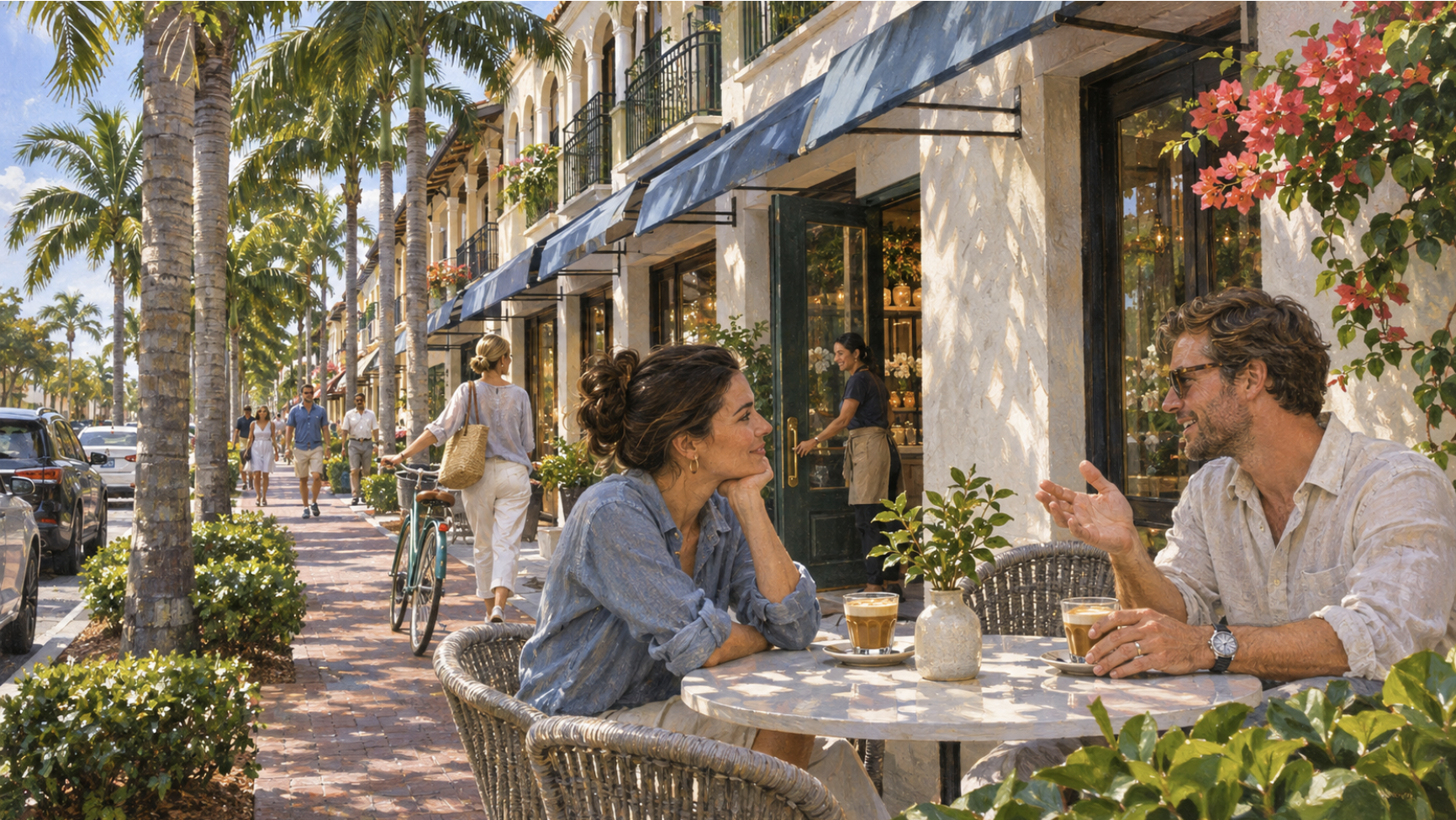
What I can tell you is what I see. The city feels measurably younger. Young families everywhere — at school pickup, at the farmers market, at the café on a Saturday morning. Young professionals who moved here remote and stayed. Couples in their thirties with strollers who simply weren't here five years ago. The streets feel different. The energy feels different.
I heard from a local realtor — and I'm sharing this as an observation, not verified data — that the median age in Naples has effectively dropped by nearly half over the past few years as new residents skew dramatically younger than the existing base. I can't confirm that number. But I can say that everyone I know who has lived here for more than five years says the same thing unprompted: this is a different city now, demographically, than the one they moved into. That kind of consistent, independent testimony from people who have no reason to exaggerate means something, even before the Census catches up to it.
Naples is in the middle of a transformation. Here's what's driving it, what it means for the city, and why I think the next five years will look nothing like the last twenty.
What COVID did to Naples
Before 2020, Naples was known primarily to the people who already lived here and to a relatively small universe of affluent retirees who had chosen it deliberately. It was not on the radar of younger professionals, remote workers, or families looking to relocate. It was too far from major airports, too quiet, too old. A beautiful secret that most of the country wasn't looking for.
COVID changed the search parameters. Suddenly the things Naples had always been — space, safety, warmth, low density, exceptional quality of life — became exactly what a certain kind of person was looking for. Remote work made distance from a major city irrelevant. The migration out of New York, New Jersey, California, Illinois and other states –– accelerated. Florida received more domestic migrants than any other state in the country during the pandemic years. And within Florida, Naples received more than its share of the high-income, high-education segment of that wave.
The result was a city that went from being a well-kept retirement secret to a nationally recognized destination in the space of about eighteen months. The population of the Naples metro area — Collier County — grew at nearly three times the national average between 2020 and 2023. Property values in the city of Naples increased by 21.6% between 2023 and 2024 alone, reaching a median of $1.53 million. The people who came were younger, with children, with careers, with expectations shaped by cities that had invested heavily in food, culture, and urban experience.
Naples received a generation of new residents who had lived in New York, Chicago, San Francisco — and they arrived expecting the city to grow with them.
The construction you see everywhere
The physical transformation of Naples is visible from any direction. Luxury condominium buildings are going up on and near Fifth Avenue South. Master-planned communities are expanding across North Naples, East Naples, and South Naples simultaneously. The Aura at Metropolitan Naples — a 15-story tower in the heart of downtown — represents a kind of development Naples simply didn't have before: urban, vertical, designed for people who want to be in the center of things rather than retreat from them.
In North Naples (it’s actually in Bonita), Midtown Bonita is becoming a genuine mixed-use district near I-75. New communities like Terreno, Caymas, and Isles of Collier Preserve are absorbing thousands of new residents. Ave Maria — the planned community east of Naples — reported 600 new home sales in a single year, exceeding its total annual sales from any previous year.
This is not a spike. It is a structural shift in the kind of city Naples is becoming. The infrastructure investment that follows this kind of residential growth — roads, schools, retail, hospitality, food — will compound over the next decade in ways that make the Naples of 2030 genuinely difficult to predict from where we stand today.
What's being lost — and why that's worth acknowledging
Progress in a city rarely arrives without cost to the people who were already there. In Naples, the cost is visible in the places that are closing.
Restaurants and cafés that operated for twenty, thirty, even fifty years are shutting down with increasing regularity. Some close because the owners are ready to retire and have no succession plan. Some close because rising rents and rising costs have made a business model that worked for decades no longer viable. Some close because the customer base they were built for has aged out or moved on, and they have not adapted to the new residents arriving with different expectations.
For the people who grew up in Naples — who spent their childhoods at these places, who have twenty years of memories attached to a particular booth or a particular menu item — the closures are genuinely painful. A city's identity is partly made of its institutions, and when those institutions disappear, something real is lost that cannot be fully replaced by whatever opens next.
This tension is real and it deserves to be named. The Naples that long-term residents love is being reshaped by forces that were not consulted about. That is how cities change — not through careful curation but through the accumulated pressure of economics and demographics — and it does not make the grief of watching familiar places disappear any less legitimate.
What's arriving — and what it demands
The businesses opening in Naples now are arriving with a different set of expectations built in. The new residents who came from New York or Miami or Chicago know what good coffee tastes like. They know what a properly executed breakfast looks like. They have reference points that the previous generation of Naples restaurateurs did not have to compete with.
This raises the standard for everyone. A café that could succeed for twenty years serving mediocre coffee to guests who had no better alternative is now competing with operators who have built their businesses around specialty products and genuine hospitality. A restaurant that survived on loyalty and location alone is now exposed to comparison with the restaurants new residents ate at before they moved here.
Some of the existing businesses will adapt. The ones with genuine quality at their core — who were good all along and can now reach a larger and more discerning audience — will do well. The ones whose model depended on the absence of competition will not.
The new operators arriving will not all succeed either. Opening a quality business in a market that is still finding its identity is genuinely hard. Rent is expensive. Labor is competitive. The customer base is growing but unevenly distributed. The businesses that will define Naples' food and café scene in five years are being built right now — and most of them will need to earn their position against real competition in a way that was not required of their predecessors.
Where Three Sixteen fits in this
We opened Three Sixteen in 2025 — four years after I moved to Naples — because I could see what was coming before it was fully visible. The city that was arriving was not going to be satisfied with what was already here. There was a gap between the quality of life Naples offered in almost every other dimension and the quality of its café and breakfast scene. That gap was an opportunity, and it was going to close whether we filled it or someone else did.
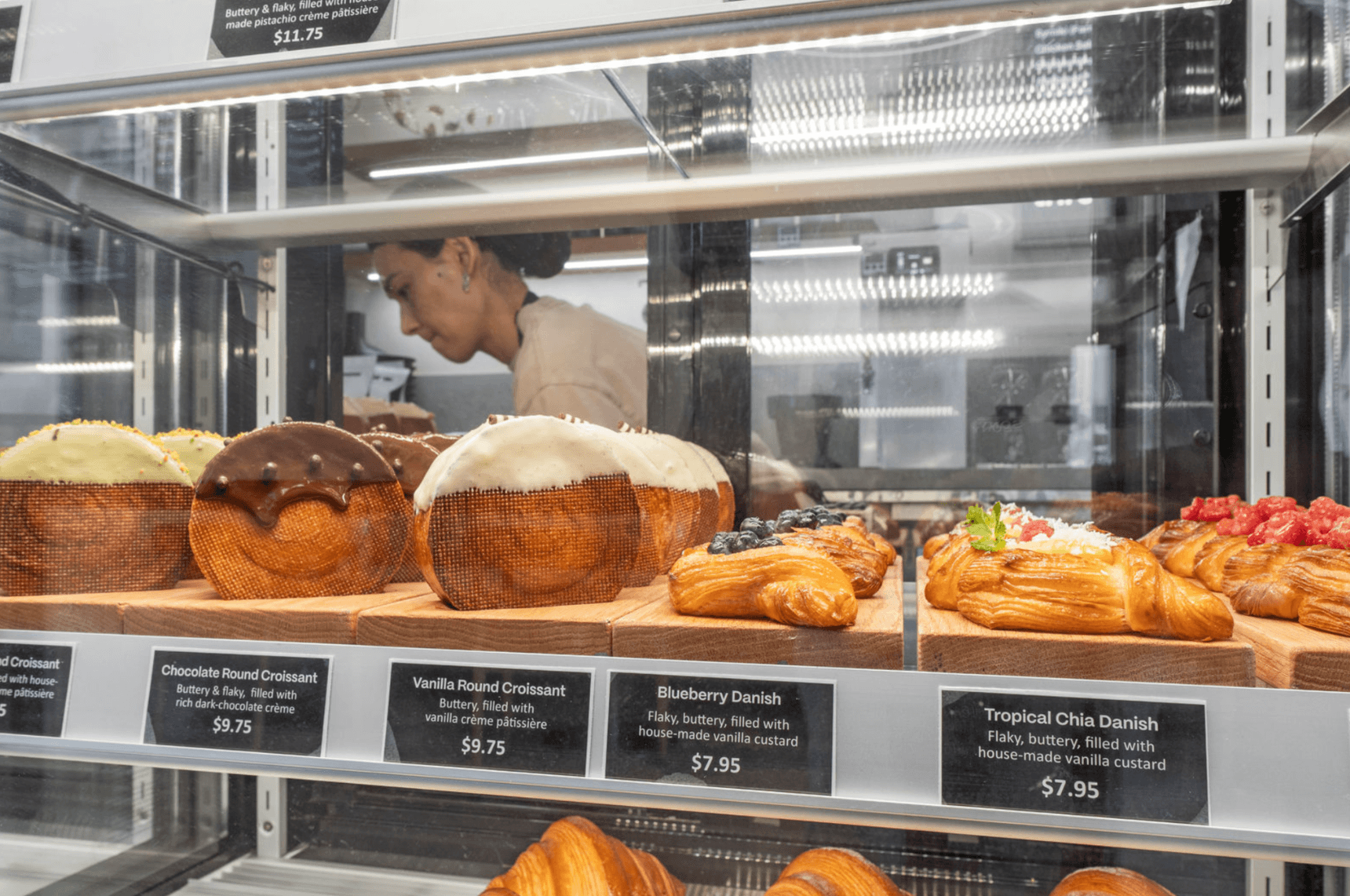
When we opened, there were only a couple of places in Naples where you could get specialty coffee made with real attention and pastry that was actually baked on-site. The comparison with what you'd find in New York or Miami was, honestly, not flattering to Naples. That was not because Naples didn't deserve better. It was because nobody had built it yet.
We are trying to be part of what closes that gap. Not the only part — I hope what we're building inspires other operators to raise their standards, and I think the competitive pressure of a growing, more discerning market will demand it regardless. A rising tide of quality in a city's food scene is good for everyone, including the businesses that were already here.
The Naples of 2030 will have more good places to eat breakfast, more interesting cafés, more restaurants that reflect the ambition of the city it is becoming. Some of those places will exist because of competition, some because of inspiration, and some because new operators see the same opportunity I saw in 2021.
Naples is changing. It was always beautiful. Now it is becoming something more — a city with genuine energy, genuine culture, and genuine expectations. I'm glad I moved here when I did. And I'm glad we get to be part of what it's growing into.