

This past year I traveled through six countries in South America. Along the way, I stopped at several cafés that appear on the 50 Best Coffee Shops in the World list — one of the most cited rankings in the specialty coffee industry.
I want to be direct about what I found: these were not among the fifty best coffee shops in the world. Some of them were not among the thousand best. The coffee was mediocre. The service was indifferent. The space was fine. Whatever combination of factors put them on that list, it wasn't the quality of what was in the cup.
This is not a complaint. It's an observation that clarifies something important about what lists and rankings actually measure — and why we don't build Three Sixteen around pursuing them.
What rankings actually measure
Lists and rankings in food and hospitality measure a mix of things, and quality of product is usually not the dominant factor. What they actually measure, in varying proportions depending on the list: marketing investment, relationships with the people who compile the lists, the ability to generate press coverage, geographic representation (every list needs to include cafés from interesting countries), and the willingness to actively campaign for inclusion.
The Michelin Guide is the most prestigious example, and Naples is a case study in its limitations. Michelin has awarded recognition to places in this city that have Google ratings in the low 4s — the kind of aggregate score that reflects a consistently underwhelming experience across hundreds of guests. Meanwhile, places with genuinely exceptional food, sourcing, and service that locals return to repeatedly remain invisible to the guide. This is not an accident. Michelin inspectors visit a limited number of times, apply criteria that were developed for French fine dining and have been imperfectly adapted to other formats, and operate within a system that has its own institutional logic separate from the actual dining experience of real guests.
The 50 Best lists — whether for restaurants or coffee shops — have a different but equally real problem. They create a self-reinforcing prestige loop. A place gets on the list, gets the traffic and revenue that comes with being on the list, uses those resources to court the voters and judges who determine next year's rankings, stays on the list. The cafés that are genuinely doing exceptional work but not investing in this kind of external reputation management tend to be invisible to the list — not because they're not good, but because being good and being recognized for being good are different activities that require different investments.
Being good and being recognized for being good are different activities. We chose one of them.
The South America experience specifically
I visited those cafés on the world list with genuine curiosity and no agenda. I wanted to be impressed. I went in willing to have my assumptions challenged, to find something exceptional that justified the recognition.
What I found was places that had clearly invested significantly in aesthetics, in social media presence, in the kind of visual identity that photographs well and generates coverage. The spaces were designed to be noticed. The coffee was an afterthought — or at best, a competent execution of specialty basics without anything that made me want to take notes or come back.
The best coffee I had on that trip was at a small place no one had told me about. I found it by walking past and noticing something through the window — the way a barista was handling the portafilter, the kind of attention that's visible even from outside. No recognition. No list placement. Just very good coffee made by someone who cared.
This is a pattern that repeats everywhere I travel. The places that are genuinely excellent are often the places that nobody told you about. The places on the lists are often the places that told everyone about themselves.
The problem with chasing recognition
There is a version of building a café where getting on lists and earning recognition becomes the actual goal — and that shift in orientation, once it happens, changes everything about how decisions get made.
If getting a Michelin recognition is the goal, you start making decisions based on what Michelin inspectors value rather than what your guests value. If getting on the 50 Best list is the goal, you start investing in relationships with the people who compile the list rather than in the quality of what's in the cup. The attention that should be on the guest — on this specific person, this specific cup, this specific morning — gets redistributed toward an external audience that isn't even in the room.
The cafés that chase recognition tend to produce inconsistent experiences: exceptional when the right person is watching, adequate when they aren't. The cafés that ignore recognition and focus entirely on the guest tend to produce consistent experiences — because the standard doesn't change based on who's observing it.
We have seen this in Naples directly. There are places in this city that have cultivated press relationships, generated coverage, and built reputations that exceed what the actual experience delivers. And there are places — fewer, and less talked about — that simply make very good food and coffee every day and let the guest experience speak for itself. The Google reviews, written by real guests who paid real money and formed real opinions, tell the story more accurately than any guide.
What we actually care about
A guest drove from Sarasota to try our breakfast. After the meal he sent us two photos: a screenshot of the dish from our menu and a photo of what arrived at his table. They were identical. His message said he had never seen that before — a place where the food actually matched the photograph. He didn't frame this as a compliment about our marketing. He framed it as evidence that we meant what we said.
That message matters more to us than any list placement. It is direct evidence that the thing we are trying to do — build a place where the standard is real and consistent, not performed for an audience — is actually working.
Our Google reviews, written by people who came in without any particular expectation, paid for their experience, and then chose to write about it — these are the recognition that matters. A 4.8 across hundreds of reviews means that hundreds of real guests, with real money and real expectations, found the experience worth writing about. No inspector, no guide, no list can replicate that signal.
We work heads down
This is not false modesty about recognition. If the Michelin Guide showed up tomorrow and awarded us something, we would be happy about it. Recognition is not bad. The problem is optimization for recognition — making it the goal rather than the byproduct.
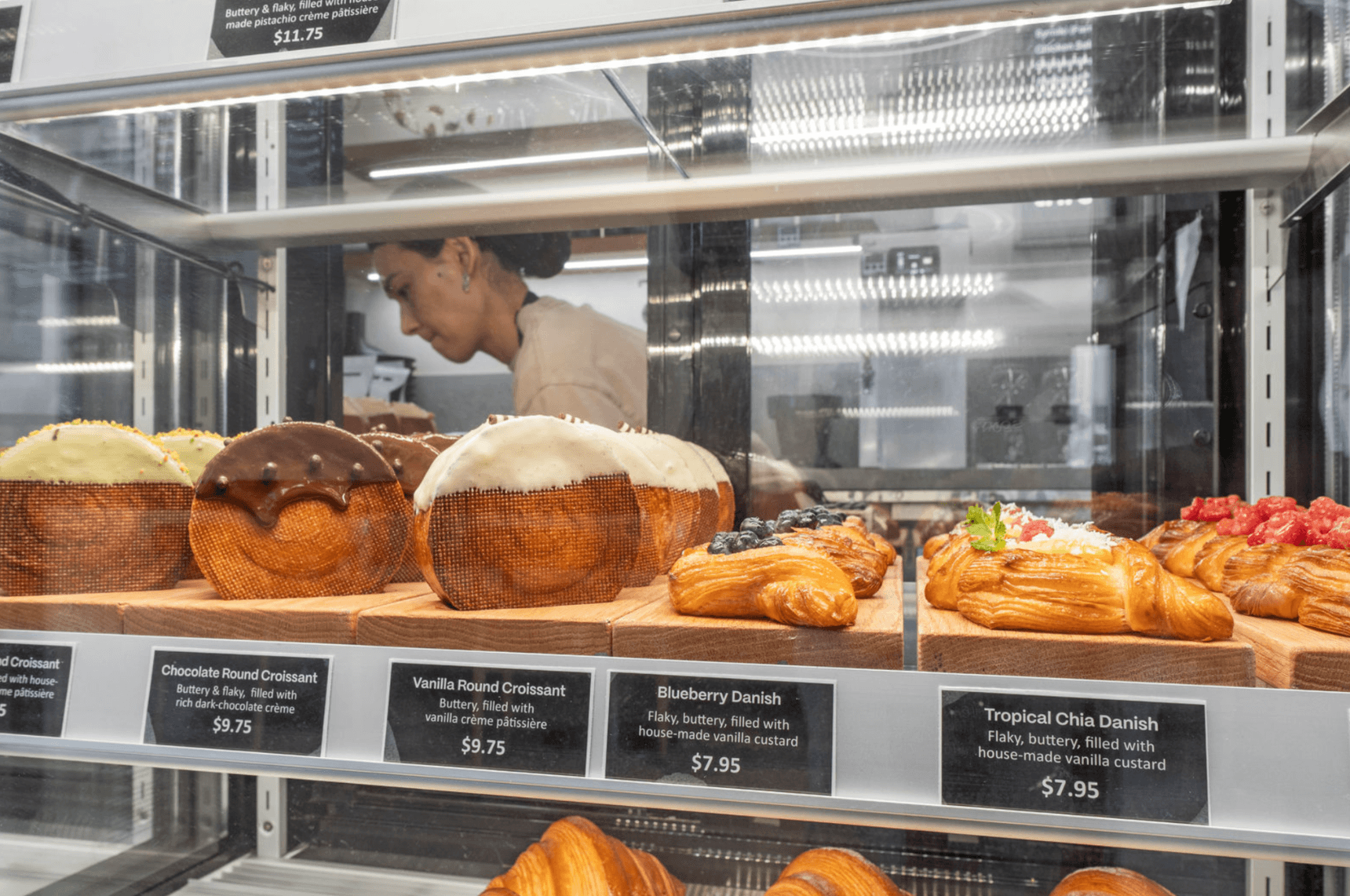
What we're building at Three Sixteen is a place where the standard is held because we believe in it, not because someone is watching. Where the seventh day of a seven-day week looks like the first. Where the croissant at 2pm is held to the same standard as the croissant at 8am. Where a guest who comes once, unannounced, with no connection to us, gets exactly the same experience as a regular who has been coming for six months.
If that kind of consistency eventually generates recognition from guides and lists, that's fine. But consistency is the goal. The recognition, if it comes, is just evidence that we built the right thing.
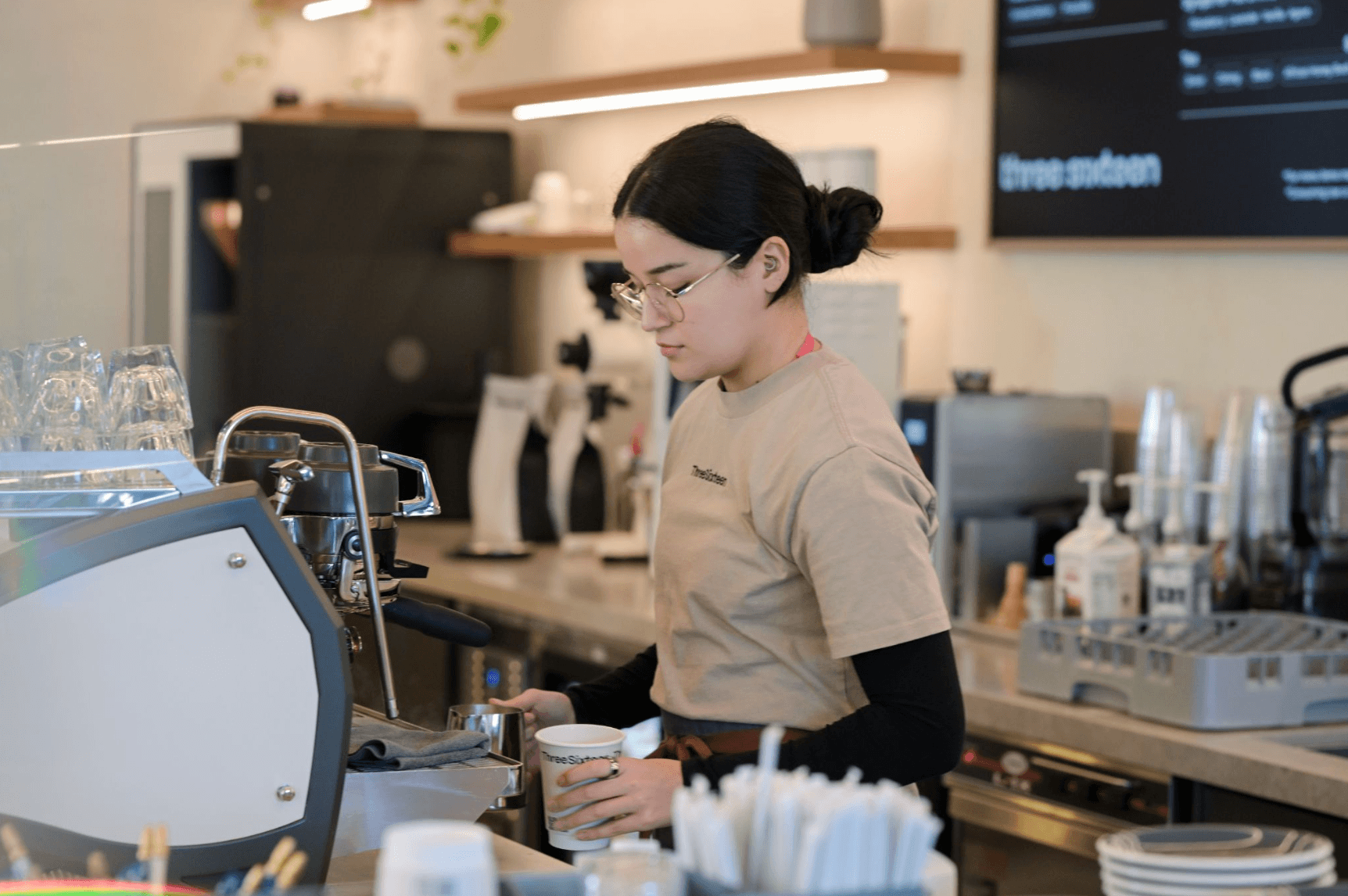
We work heads down. We care about the guest in front of us. That's the whole strategy.