
I want to be upfront about something: I am obviously biased. I built this place. My name is on it. Of course I think it's good.
But stay with me for a moment. Because I also travel constantly — through six countries in South America this past summer, through Europe the summer before, across the United States many times a year. My wife grew up in Vancouver, Washington, where she's been drinking good coffee since 1990. We spent nine years in the Pacific Northwest, one of the most coffee-obsessed regions in the country. We know what good looks like. We've seen a lot of it.
And after all of that — after every café in Buenos Aires and Medellín and Lisbon and New York and Seattle and Portland — we still come to Wiggins Pass every day. Not out of loyalty. Not out of obligation. Because we genuinely haven't found anything we like better.
That surprised me. I didn't expect to feel this way about something I built.
What travel does to your standards
When you travel a lot and pay attention to coffee, your standards move. Places you used to think were excellent start to feel ordinary after you've seen what excellent actually looks like elsewhere. The reference point shifts. This is uncomfortable but useful — it's how you know whether what you're building is genuinely good or just good by local comparison.
I went into South America specifically looking for things to find impressive. I visited several cafés that appear on the 50 Best Coffee Shops in the World list. I came back with a clearer sense of what we have at Wiggins Pass than I had before I left — not because everything I saw was mediocre, but because the places that were genuinely exceptional confirmed what I already knew about what we're doing, and the places that weren't exceptional made it obvious why the list means less than it should.
Europe the summer before was the same. My wife and I went to places we had read about, places that had been recommended to us by people whose taste we trust. Some were remarkable. Most were fine. None made us look at each other and say: this is better than home.
That's the test I apply now. Every café I walk into, I'm asking: is this better than what we have? If the answer is yes, I want to understand why and bring something back. If the answer is no, I want to understand that too — what specifically isn't working, what they're compromising on, what we're doing that they're not.
What makes Wiggins Pass what it is
It's not one thing. It's never one thing in a place that works.
It's Alexey behind the bar — his understanding of espresso, the way he dials in a shot, the standard he holds without being asked to hold it. You cannot hire that. You develop it over years, and then you build a culture around it so that the standard becomes the expectation rather than the exception.
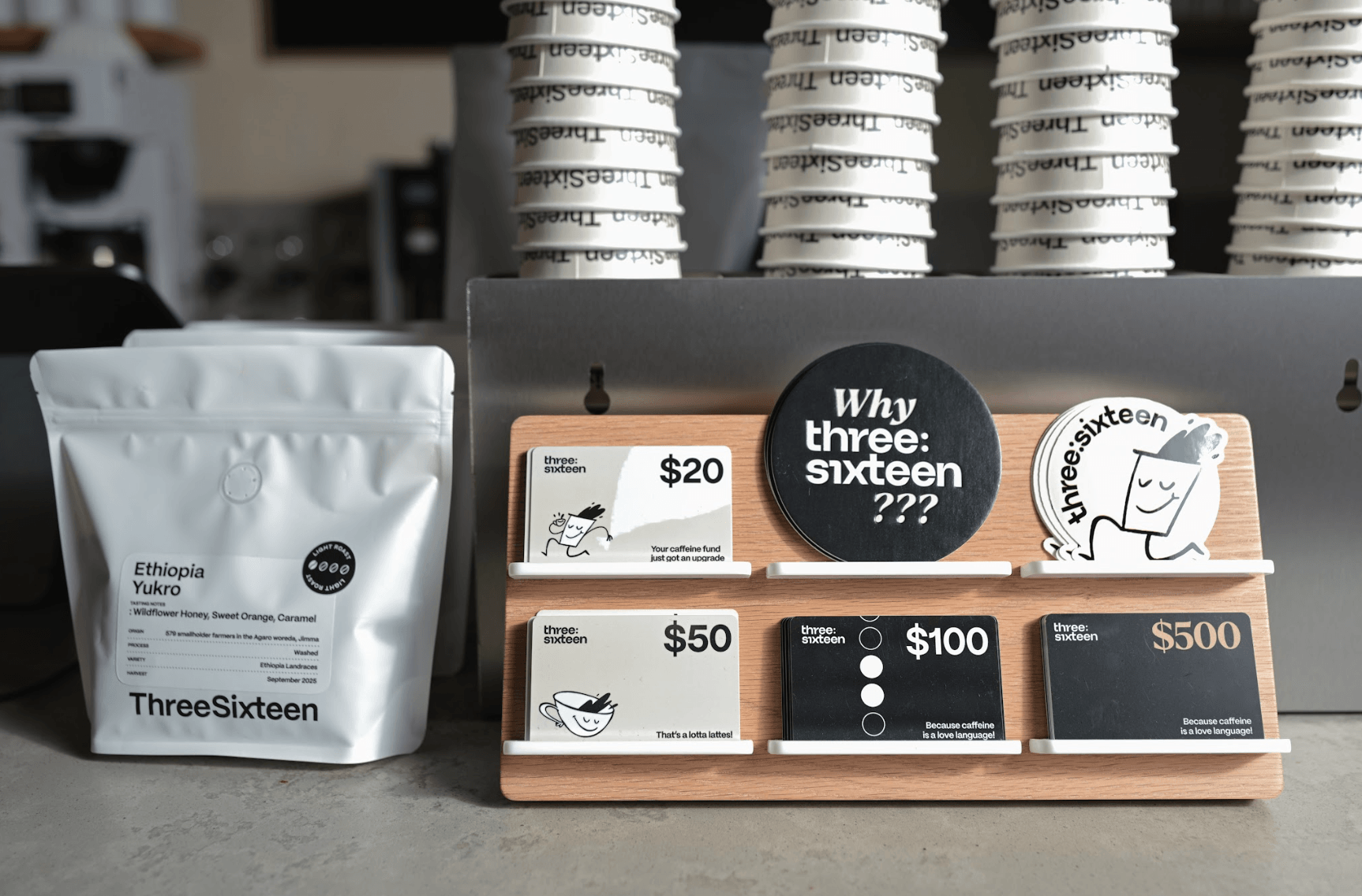
It's the croissants laminated in-house every morning, the almond croissant with house-made frangipane, the pastries that come out of the kitchen before service starts and are gone by mid-morning on weekends. The food that looks exactly like the photograph on the menu — every time, for every guest.
It's the space. The light in the morning. The way the room feels at 8am when it's quiet and the first guests are coming in. We spent a significant amount of time and money building something that felt right, and I still notice it every time I walk in.
It's the team — people who mostly had no background in specialty coffee when they started, who have been developed into something genuinely good through months of attention and repetition and care. People who know the regulars, who notice when something's off, who care about the detail nobody else in the room would catch.
It's the combination of all of these things happening consistently, day after day, without the standard slipping when we're busy or when it's the seventh day of the week or when nobody important is watching.
Maybe we are biased. But we also travel constantly and pay close attention. And we keep coming back — not because we built it, but because we genuinely haven't found anything we like better.
What other people tell us
This summer I met a man visiting from Kyiv. Ukraine has one of the most developed specialty coffee cultures in Europe — Kyiv in particular has a remarkable café scene, the kind that develops when a young, educated population takes coffee seriously and the market responds. He knows what good looks like.
After he came back from his visit to Three Sixteen, he sent me a message: "Three Sixteen was very special. There is no place like this in Kyiv. I wish you would open Three Sixteen in Kyiv in the future."
I read that message several times. Not because of the compliment — because of what it says about what we built. This is someone from a city with a serious coffee culture, someone who has options, someone who was not predisposed to be impressed by a café in a strip mall in North Naples, Florida. And he walked away feeling like he had seen something that didn't exist at home.
I hear versions of this regularly. People who have visited from New York, from Miami, from cities where the café scene is genuinely competitive. People who have been coming for months and ask when we're opening near them. People who have traveled through Southwest Florida before and never found a reason to come back to a café, who now plan their visits around Wiggins Pass.
It is not just the coffee. It is the croissants, the breakfast, the brunch — the food program that we built with the same attention as the coffee program, that reflects the same standard, that earns its own feedback separate from what's in the cup.
What this feedback does for me
I'm not someone who needs external validation to keep working. The work is the motivation — the problems to solve, the standard to hold, the next location to build. I would be doing this regardless.
But feedback like this gives me something different. It gives me calibration. It tells me that what I'm feeling when I walk into Wiggins Pass — the sense that something here is genuinely good, that the standard is real, that the team has built something that holds up — is not just me seeing my own work too kindly. Other people, people with context and reference points and no reason to be generous, are feeling it too.
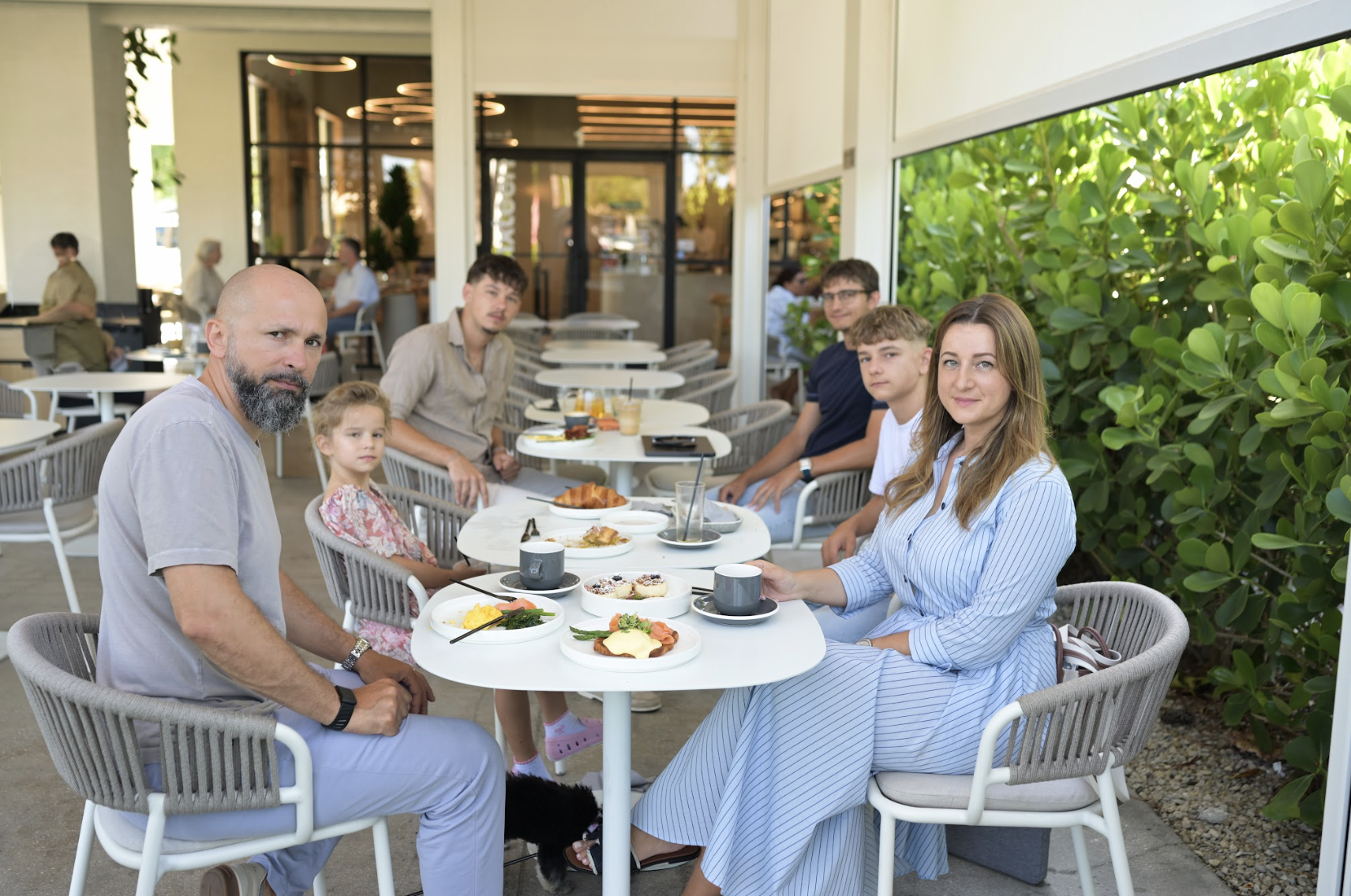
That matters. Not for pride — for direction. When someone from Kyiv tells me there's nothing like this in Kyiv, I know we're building toward something that has room to grow. When people ask us to open in their city, I know the demand exists before we get there. When my own family, who eats here every day and would notice the moment the standard slipped, keeps choosing to come back — that's the most honest signal of all.
It gives me more energy to push it further. That's the whole point.